Compact Mini Excavators
Mini Excavator Showdown:

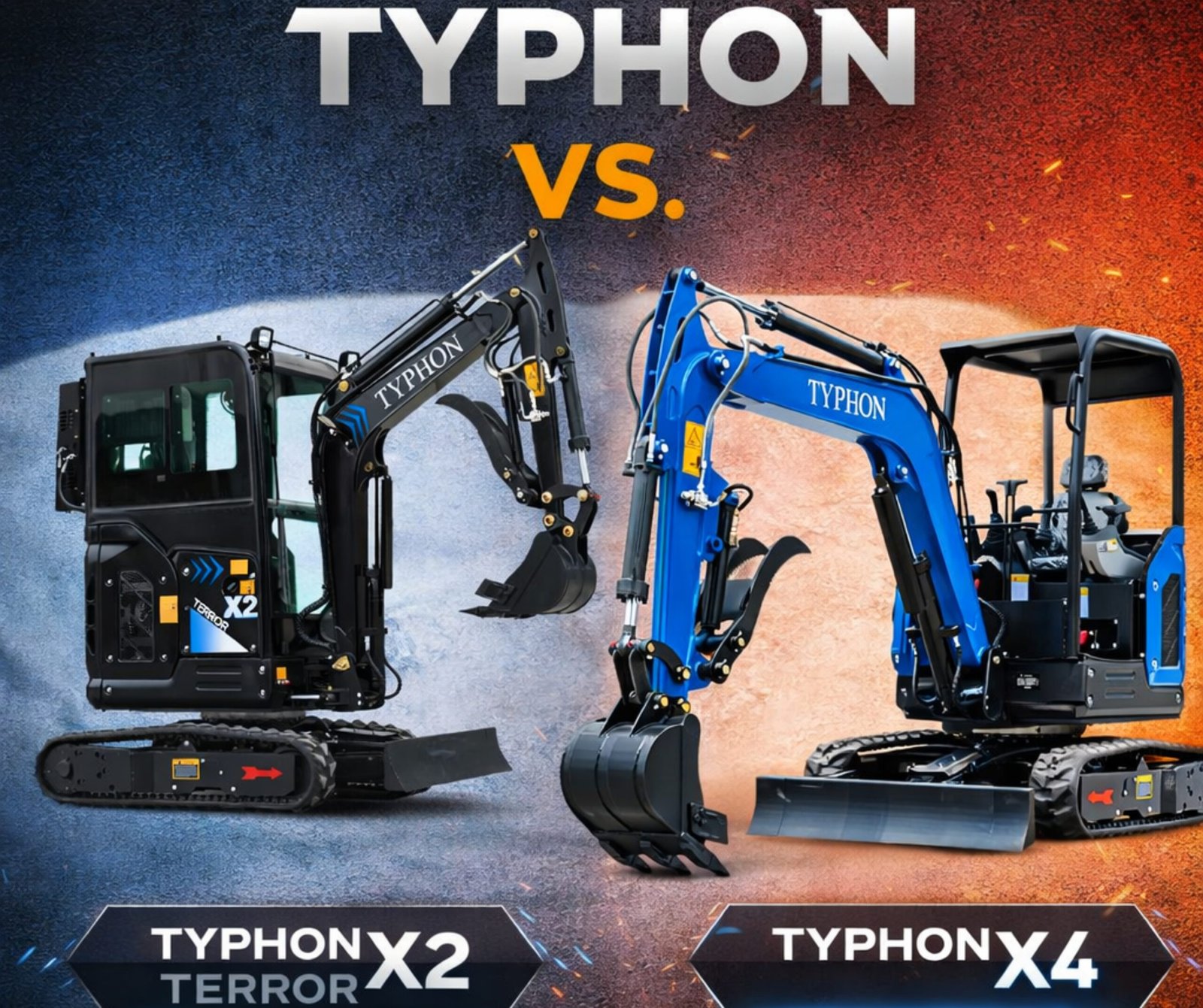
Typhon Terror X2 Max Mini Excavator vs Typhon Terror X2 Storm Mini Excavator

Mini excavators have become essential machines for contractors, landscapers, farmers, and property developers. Among the popular options from Typhon Machinery are the Terror X2 Max and Terror X2 Storm, two powerful machines in the 2.5–2.7 ton class designed for durability, efficiency, and versatility.

In this article, we compare these two machines to help you decide which excavator best fits your jobsite needs.
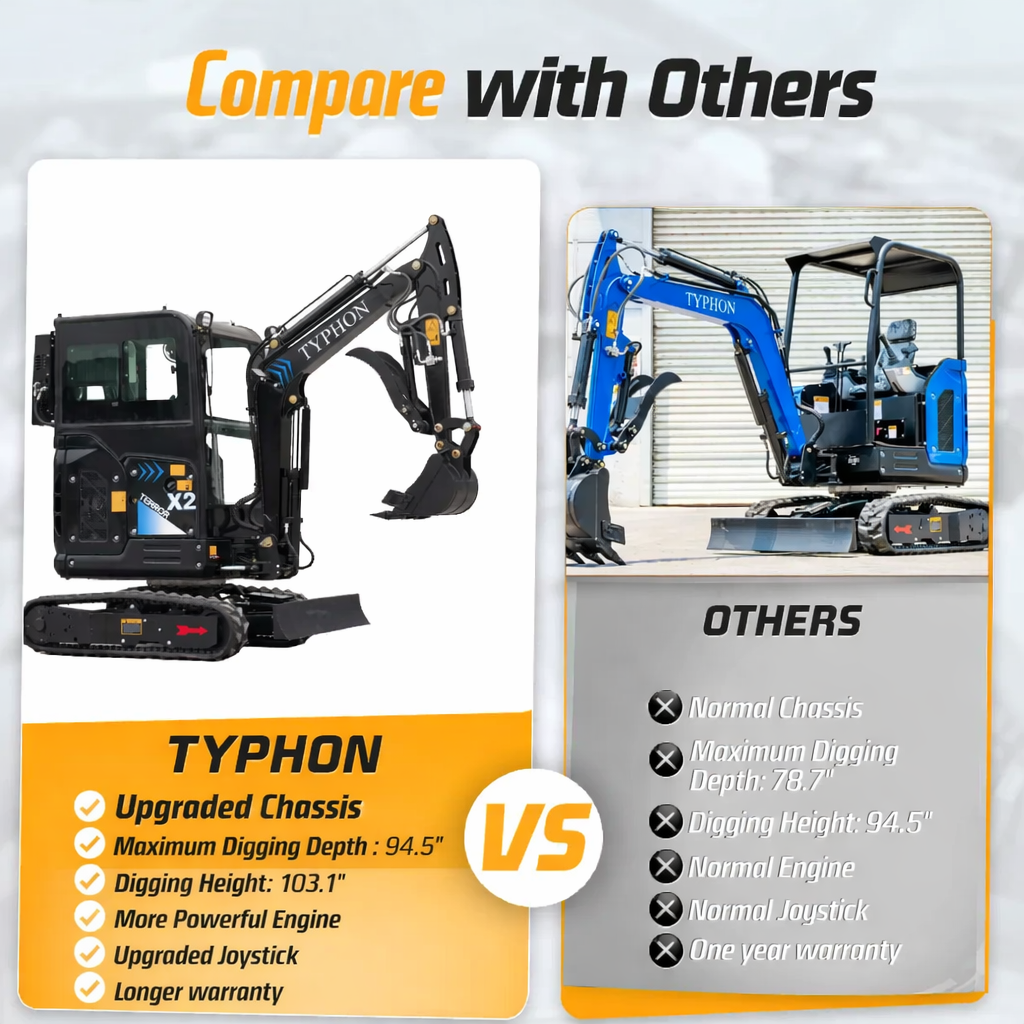
Overview of the Two Models
Typhon Terror X2 Max
The Terror X2 Max is designed for operators who need maximum comfort, power, and productivity. With a 2.7-ton operating weight, a Yanmar engine, and a fully enclosed cabin with AC and heater, it is built for professional contractors who work long hours and need reliability in all weather conditions.
Key highlights:
• 2.7-ton class mini excavator
• High-performance Yanmar diesel engine
• Fully enclosed cabin
• Air conditioning and heating system
• Pilot control operation
• Boom swing functionality
• Ideal for heavy-duty professional jobs
This model is especially suitable for construction sites, commercial landscaping, trenching, and utility work.
Typhon Terror X2 Storm
The Terror X2 Storm is slightly lighter but still powerful. It features a Kubota V1505 25HP diesel engine, making it known for strong performance and reliability.
Key highlights:
• 2.5-ton mini excavator
• Kubota V1505 diesel engine (25HP)
• Compact design
• Strong hydraulic performance
• Great maneuverability
• Ideal for tight workspaces
This excavator is often chosen for residential construction, landscaping projects, farm work, and property maintenance.
Engine Performance
Terror X2 Max
The Yanmar engine in the X2 Max is known for:
• fuel efficiency
• smooth operation
• long lifespan
• high torque output
It is ideal for demanding jobs where consistent power delivery is critical.
Terror X2 Storm
The Storm uses a Kubota V1505 engine, one of the most trusted engines in compact equipment.
Benefits include:
• excellent reliability
• low maintenance
• efficient fuel consumption
• widely available parts
Both engines are excellent, but Yanmar is often preferred for heavy commercial use, while Kubota is famous for reliability and service support.
Operator Comfort
X2 Max Advantage
The X2 Max clearly wins in operator comfort because it includes:
• fully enclosed cabin
• air conditioning
• heater system
This makes it ideal for extreme weather environments or operators working full shifts.
X2 Storm
The Storm typically focuses more on compact performance and simplicity, making it great for smaller jobs where an enclosed cabin may not be necessary.
Ideal Applications
Choose the X2 Max if you need:
✔ Commercial construction capability
✔ All-weather operator comfort
✔ More stability and power
✔ Long working hours on site
Choose the X2 Storm if you need:
✔ Compact size for tight spaces
✔ Reliable Kubota engine
✔ Residential or landscaping work
✔ Cost-effective performance
Final Verdict
Both excavators offer impressive performance and durability.
Terror X2 Max
Best for professionals who want maximum comfort, heavier power, and a fully enclosed cabin.
Terror X2 Storm
Perfect for operators looking for compact power, maneuverability, and Kubota engine reliability.
Whichever machine you choose, both models from Typhon Machinery provide strong performance, durability, and excellent value in the mini excavator market.
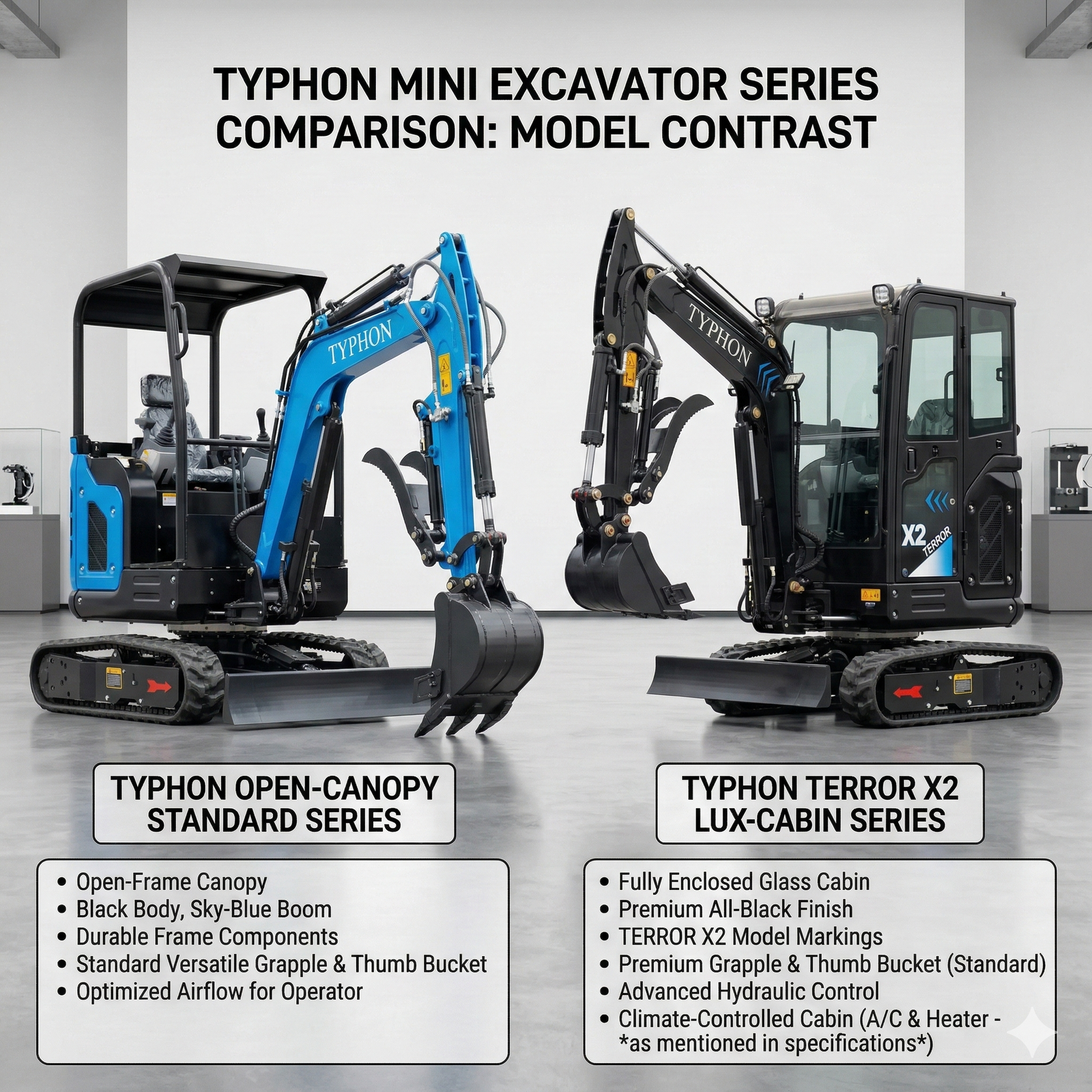
Typhon Mini Excavator Series Comparison: Open Canopy vs Enclosed Cabin
Choosing the right compact excavator is essential for improving productivity and efficiency on construction sites. The Typhon Machinery lineup offers multiple mini excavator options designed for different working environments and operator preferences. Two of the most popular configurations are the Typhon Open-Canopy Standard Series and the Typhon Terror X2 Lux‑Cabin Mini Excavator Series.
This comparison helps contractors, landscapers, and property owners understand the key differences between these models and determine which machine is best suited for their projects.
Key Differences Between the Two Models
While both excavators deliver strong performance and durability, their design and features serve different needs.
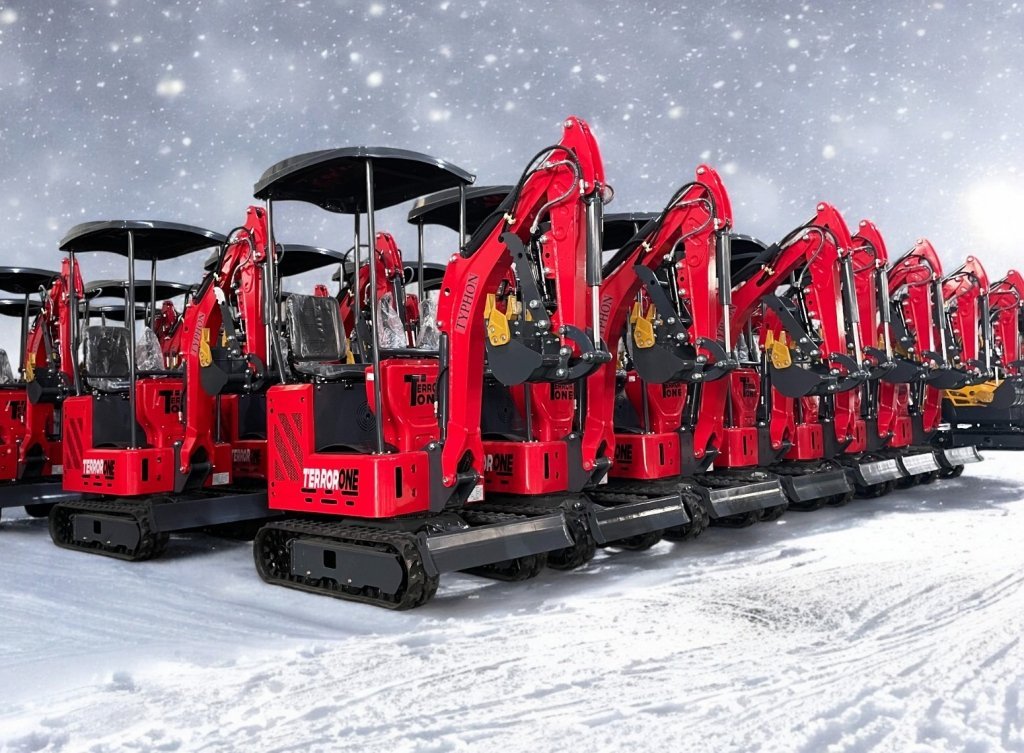
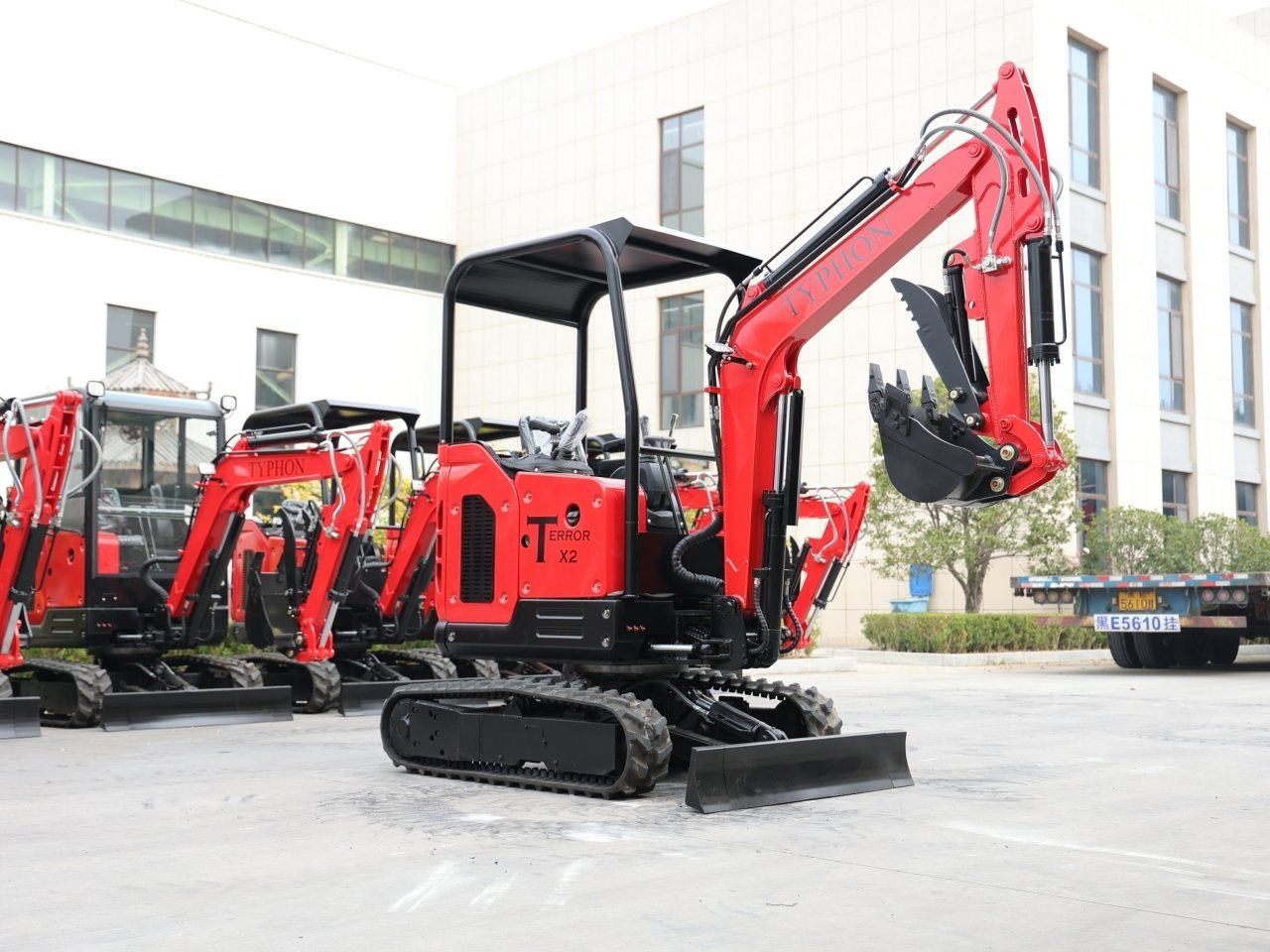
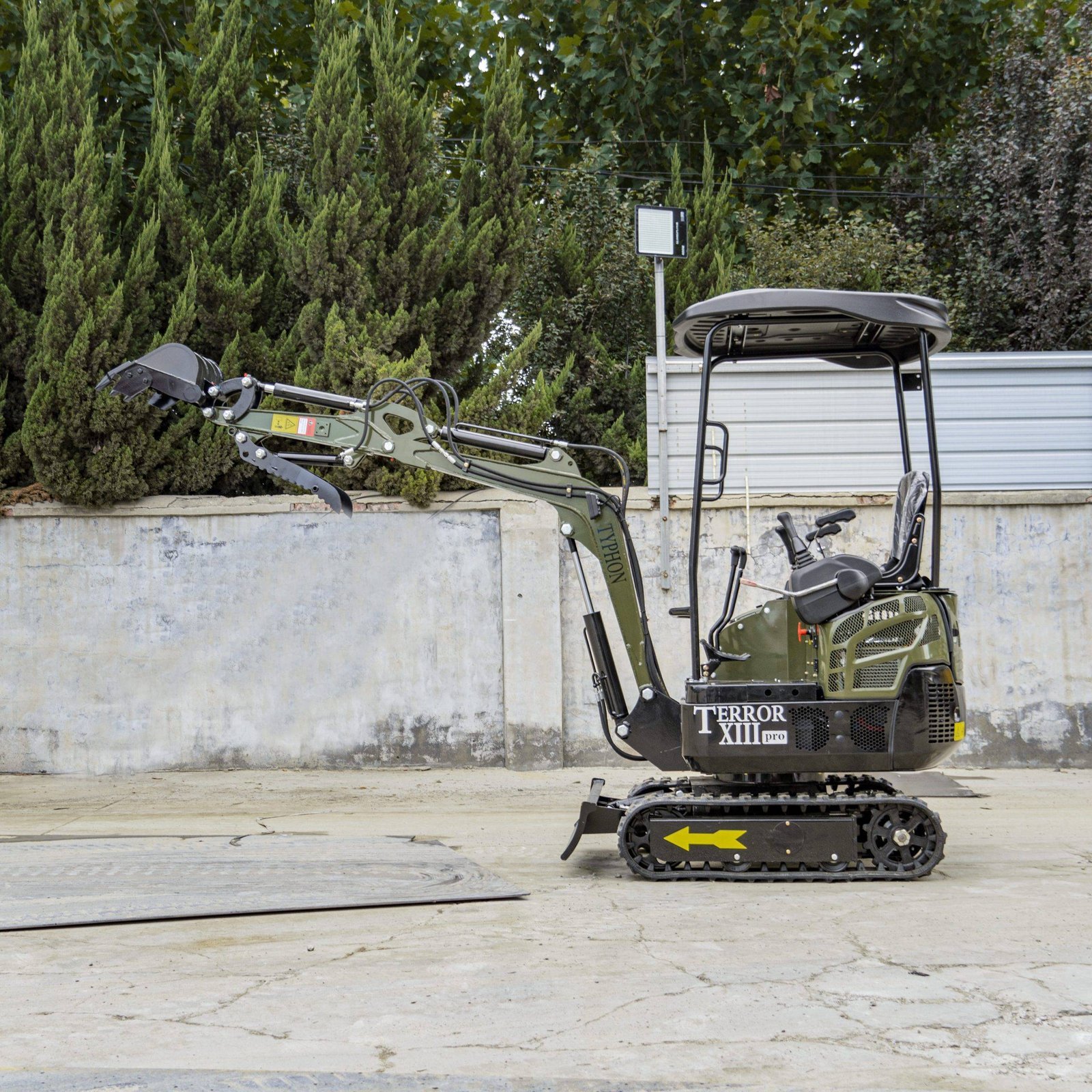
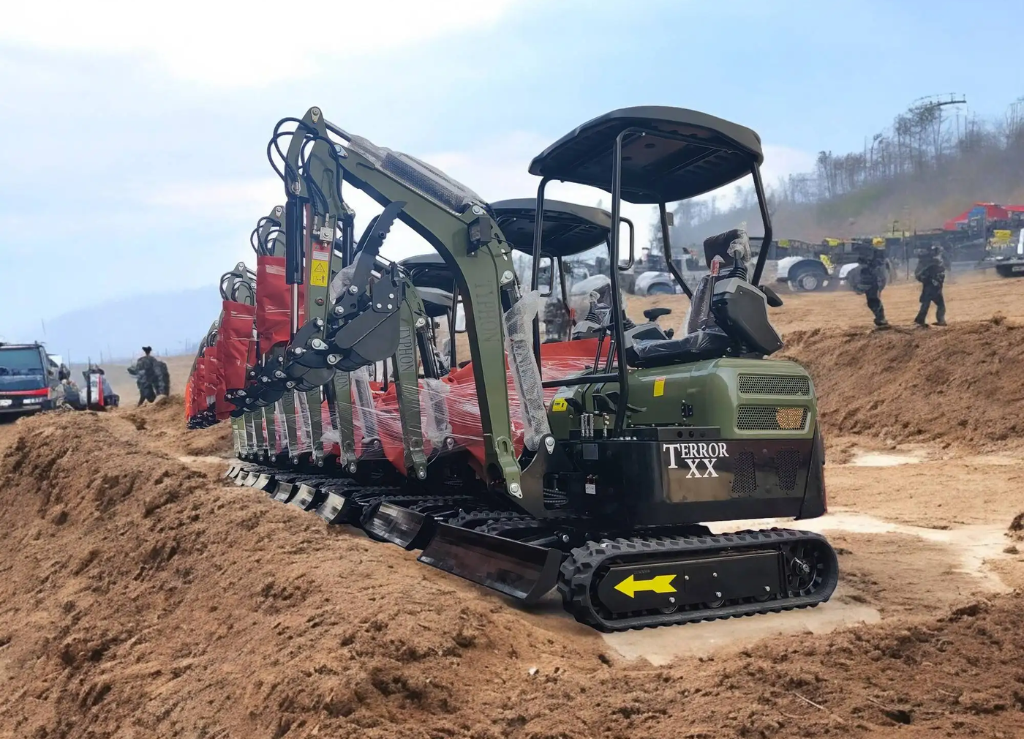
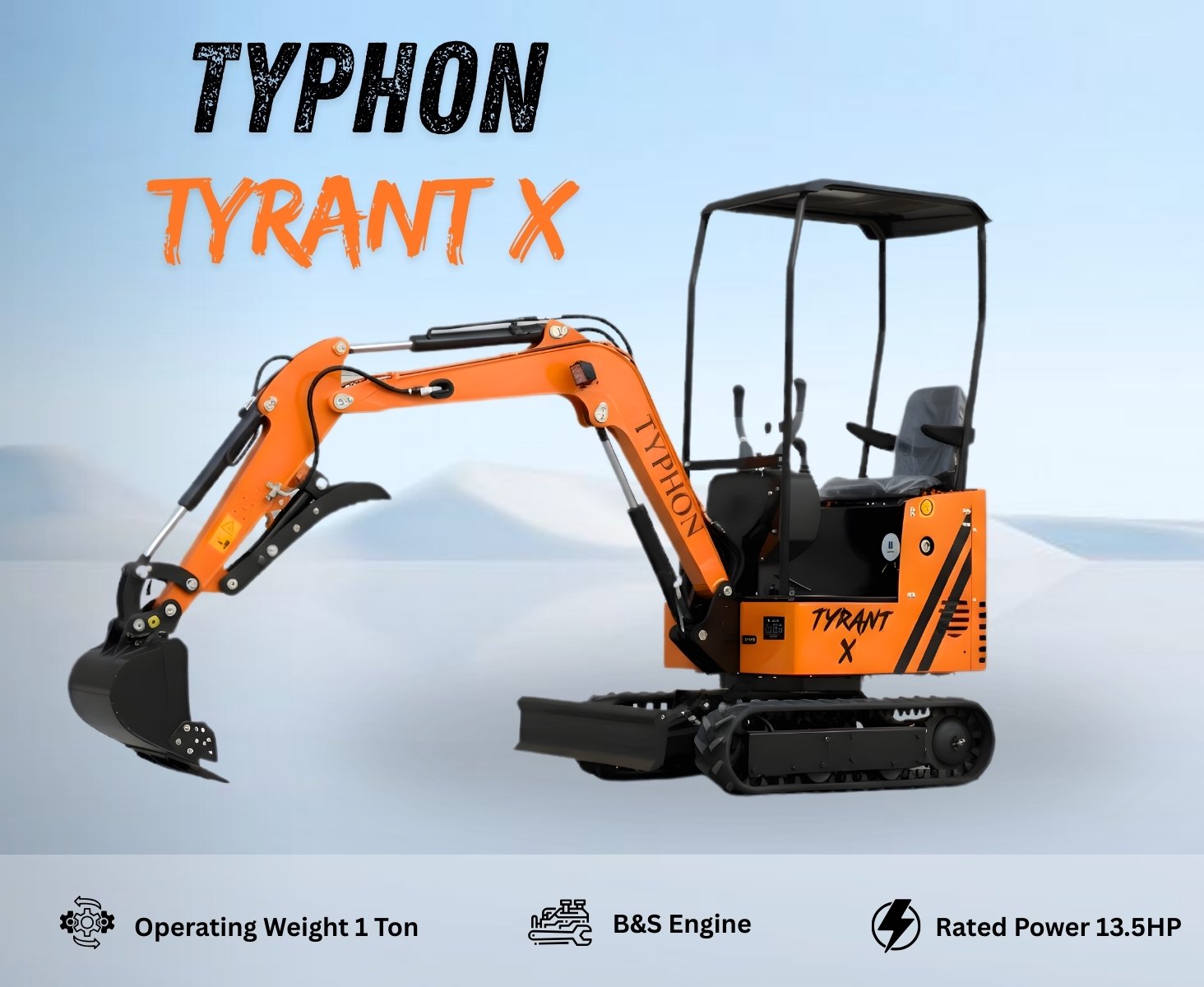
The open-canopy series focuses on simplicity, lower cost, and excellent airflow for operators working in warm climates or shorter shifts. Its lightweight design also makes it easier to transport between job sites.
The Lux-Cabin series, on the other hand, prioritizes operator comfort and protection. With its enclosed cabin, climate control system, and advanced hydraulic operation, it is better suited for professional construction work and longer daily usage.
Both machines maintain the compact size and powerful digging capabilities that mini excavators are known for, making them effective tools for landscaping, trenching, utility work, property development, and general construction projects.
Which Typhon Mini Excavator Is Right for You?
Selecting the right excavator depends on your working environment, budget, and comfort requirements.
If you are looking for a simple, reliable, and cost-effective mini excavator, the Typhon Open-Canopy Standard Series is a great choice. It provides the essential performance needed for everyday tasks without unnecessary complexity.
However, if your projects involve long hours, harsh weather conditions, or professional construction work, the Typhon Terror X2 Lux‑Cabin Mini Excavator Series may be the better investment due to its superior operator comfort and advanced features.
Final Thoughts
Both Typhon mini excavator models are designed to deliver reliable performance, durability, and versatility across a wide range of job sites. Whether you prefer the simplicity of the open-canopy design or the comfort of an enclosed cabin, Typhon Machinery offers compact excavators that meet the needs of modern operators.
By understanding the differences between these two series, buyers can make a more informed decision and choose the machine that best supports their productivity and project requirements
Comments
Add a Review
Your email address will not be published. Required fields are marked*

A WordPress Commenter
Hi, this is a comment.
To get started with moderating, editing, and deleting comments, please visit the Comments screen in the dashboard.
Commenter avatars come from Gravatar.